F
reemasonry is neither a religion nor a substitute for one.
If not a religion, then why do Freemasons have a Masonic Bible?
Freemasonry, often simply called Masonry, is a fraternal organization that emphasizes moral and ethical development, brotherhood, and charitable work, but it explicitly states that it is not a religion or a substitute for one. It does not provide doctrines of faith, rituals of worship, or paths to salvation like religions do; instead, it requires members to have a belief in a Supreme Being (often referred to as the Great Architect of the Universe) while remaining neutral on specific religious beliefs.The term “Masonic Bible” can be misleading, as there is no official or unique “Masonic” version of the Bible endorsed by Masonic organizations.
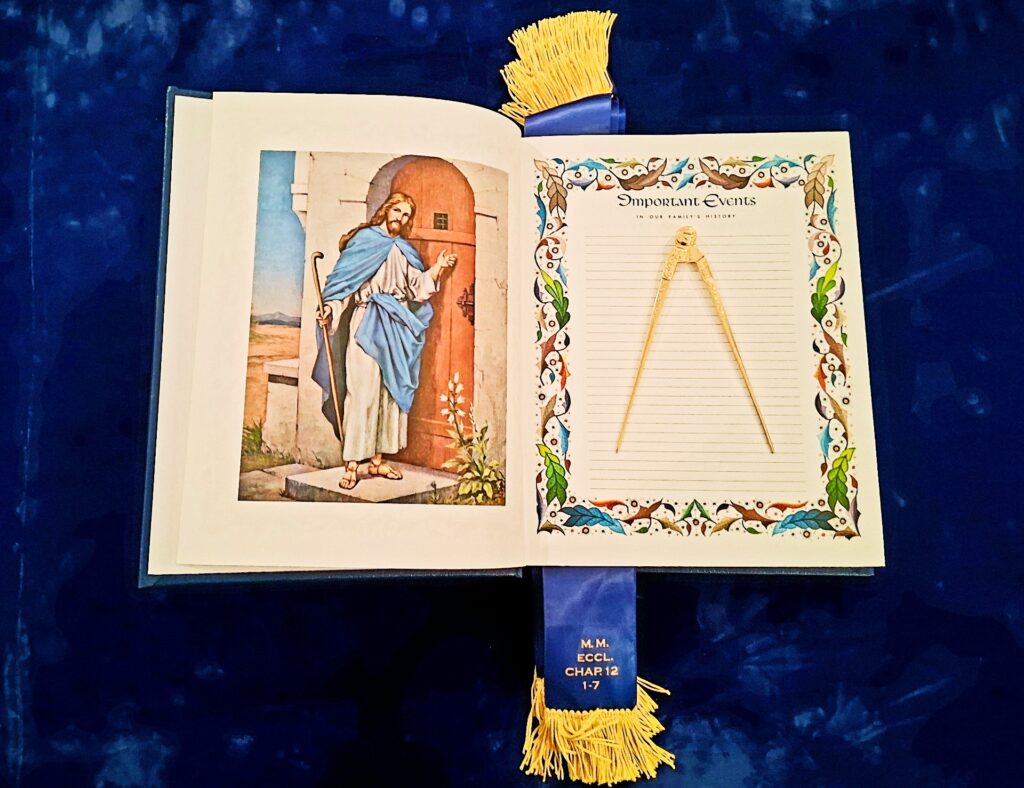
What are commonly called Masonic Bibles are actually standard editions of the Bible (often the King James Version) produced by private publishers, with added non-scriptural content such as introductions explaining Masonic symbolism, illustrations of historical sites like King Solomon’s Temple, concordances referencing Bible passages used in Masonic rituals, and blank pages for recording a member’s degree dates or lodge signatures.
These additions make them akin to heirloom or study Bibles—specialized for personal or ceremonial use—but the core biblical text remains unchanged and identical to any other Bible.
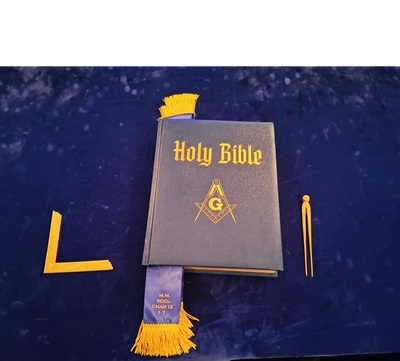
These Bibles exist because Freemasonry incorporates symbolic elements from various religious traditions, including biblical references, to teach moral lessons through allegory and ritual. In Masonic lodges, a holy book—known as the Volume of Sacred Law (VSL)—must be present on the altar during meetings and ceremonies.
For Christian members, this is typically the Bible, but for adherents of other faiths, it could be the Quran, Torah, Vedas, or another sacred text, depending on the individual’s beliefs.
The VSL serves as a symbolic foundation for oaths and obligations, reminding members to live by ethical principles drawn from their own faith. The presence of Masonic symbols like the square and compasses on or near the Bible reinforces that the divine word should guide all aspects of life, including Masonic conduct.
In essence, the existence of these specialized Bibles doesn’t contradict Masonry’s non-religious status; they are tools for ritual and personal reflection, much like how a family Bible might include genealogy pages without altering its religious nature.
Lodges do not publish or mandate these editions, and they emphasize that Freemasonry complements, rather than replaces, a member’s religion.